Detector Evaluation

Sensor characterisation and testing

Powering Advanced Sensors

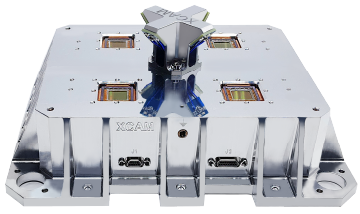
Multi-functional imager characterisation and testing systems offering plug-and-play operation for a wide range of testing conditions.

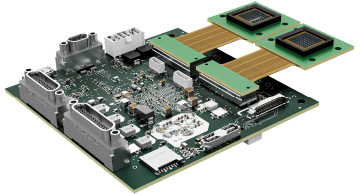
XCAM Scientific’s imager control systems are designed and built to operate a specific sensor model. Our advanced electronics power even the most challenging of sensors, enabling characterisation and testing of the sensor earlier in a project timeline, before full integration into the larger system.

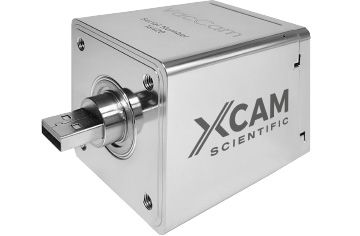
Imager Control Systems

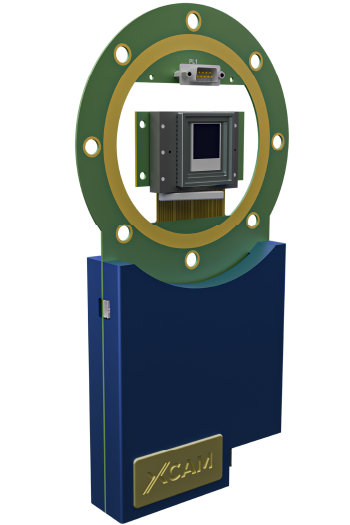
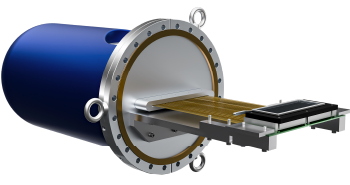
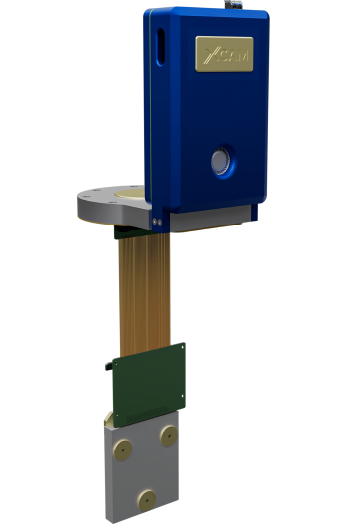
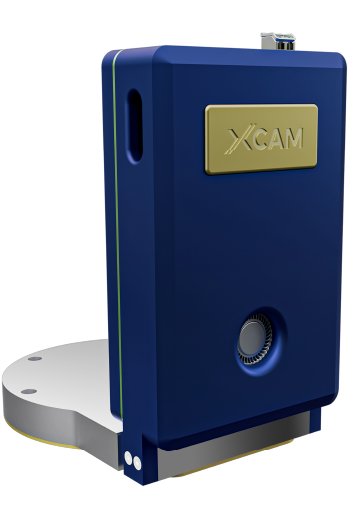
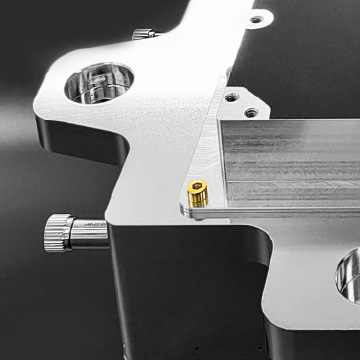
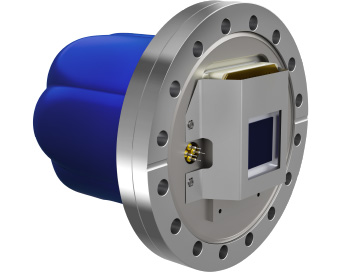
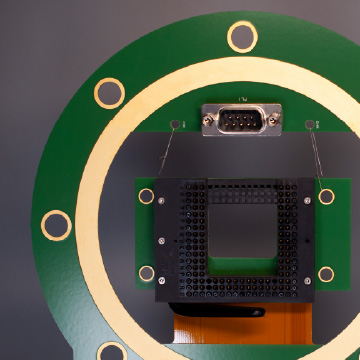
Comprised of a main board, which can be used either in-air or in-vacuum, with the clever design of a low-outgassing section of the board which can be clamped between vacuum components.

CIS 120

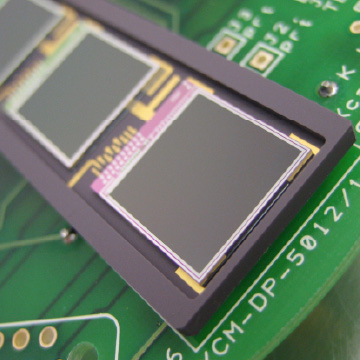
SENSOR: Teledyne e2v ‘Capella’

2k x 2k back-illuminated sensor, 10 µm pixels, optimised for visible, UV, and EUV.

CIS 125

SENSOR: Teledyne e2v CIS 125 TDI

Image sensor combining TDI CCD functionality on a CMOS chip.

CIS 300

SENSOR: Teledyne e2v CIS 300

Easy operation of the CIS 300 family of sensors, up to 9k x 9k µm pixels.

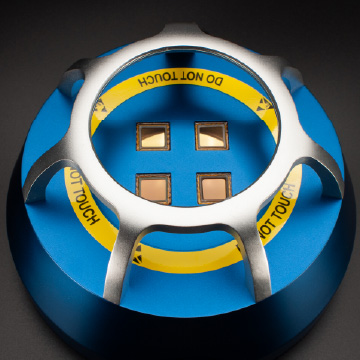
ChromaD

SENSOR: Teledyne e2v CHROMA-D

High performance stitched SWIR detector for satellite instruments.

FAQs

What is an Imager Control System?

An Imager Control System (ICS) is the electronic interface that manages and operates an imaging sensor. It provides the precise power, current, and voltages required for the detector to function reliably, and allows the user to configure the sensor in any of its operating modes. The ICS also receives and processes all data output from the detector, converting it into a digital format and passing it to a connected PC, where it becomes available for display, analysis, or storage. In short, the Imager Control System is the bridge between the imaging device and the user’s computer.


Characterisation of a sensor is the process of performing detailed electro-optic and radiation testing to understand and optimise its performance. This involves measuring key parameters such as sensitivity, noise, gain, and response to light or radiation. During characterisation, users may need to finely adjust bias voltages or specific timing of signals to achieve the sensor’s best possible performance. The results provide a complete performance profile, ensuring the sensor operates at peak efficiency for its intended application.

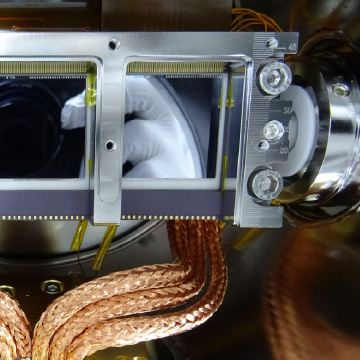
Yes- all our designs allow the user to position inside the vacuum chamber for cooled operation.

To operate an Imager Control System, a DC power supply to provide stable power to the unit and a PC equipped with a National Instruments (NI) data acquisition card is required.

Because imaging sensors are highly complex and can operate in many different modes, we recommend that you contact XCAM Scientific directly to discuss your specific requirements. Since each sensor mode may have unique characteristics, liaising with our engineering team allows us to verify optimal performance for your intended application and, if necessary, perform additional testing. 

Request a detector evaluation system for your sensor

Contact our sales team for further details of existing imager control systems, or to discuss a new sensor-specific design.

    XCAM Scientific

    2 Stone Circle Road
    Round Spinney Industrial Estate
    Northampton, NN3 8RF, UK

    Contact Us

    XCAM Scientific
    2 Stone Circle Road
    Round Spinney Industrial Estate
    Northampton, NN3 8RF, UK

    Phone:
    +44 (0)1604 673 700
    Email:
    sales@xcamscientific.com